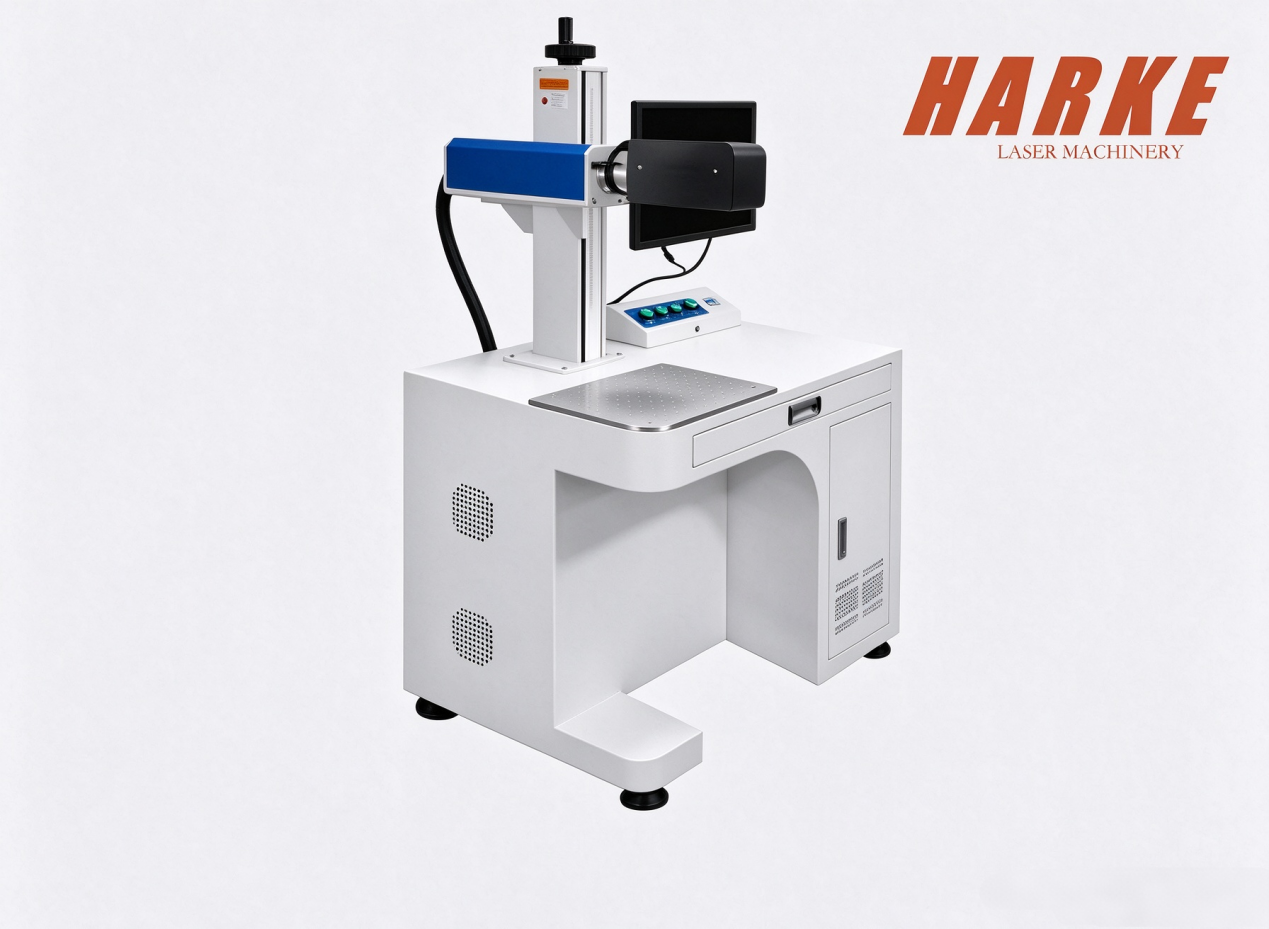
Harke Laser supplies both plasma cutting systems and full laser lineup (marking, engraving, cutting, welding). We help fabricators match equipment to their real workshop workload.
Laser Cutter vs Plasma Cutter for Metal — Pick The Right Machine Based On Your Shop Jobs
Most comparison articles argue which machine is “better.” At Harke Laser, we don’t see it that way. We sell both plasma cutters and laser processing machines, so our goal is simple: match your equipment purchase to the actual jobs running through your shop every week.
Metal fabricators often reach us with the same core frustration: they bought a machine based only on upfront price, only to discover it does not fit their mix of parts.
If your shop runs mixed orders — thin precision sheet metal alongside heavy structural plate — it’s even more critical to understand what each machine excels at, and where each hits its limits.
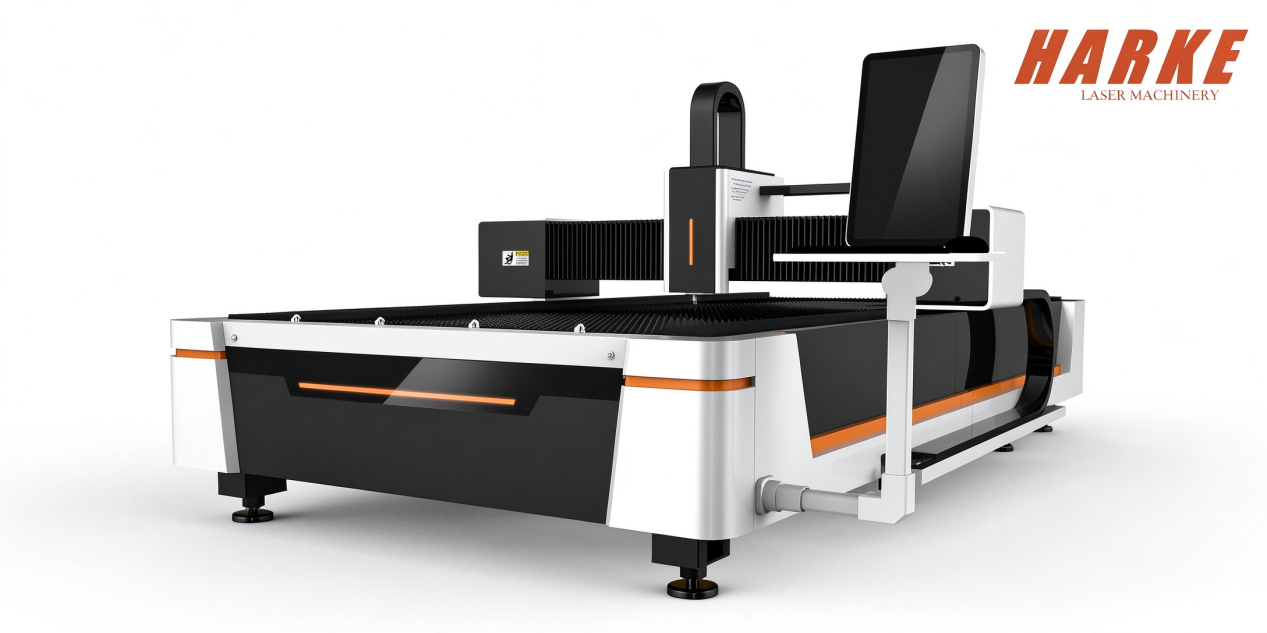
Fiber Laser Cutting Machine
Fiber laser works by focusing a concentrated beam of light to locally melt or vaporize metal, non-contact.
It delivers tight dimensional tolerance, clean edges and a very narrow cut kerf. Small holes, intricate logos and complex contours come out consistent batch after batch.
Best suited for your workshop if:
You regularly process thin to medium sheet metal (0.5–20mm), custom precision components, decorative metal panels or parts requiring minimal post-finish work. Laser cut pieces usually need little to no grinding before welding or assembly.
Where it hits limits:
When you work mostly with thick plate above 20mm, the capital cost for a high-power fiber laser rises sharply. Laser also performs best on flat, clean metal; rusty, painted or uneven plate will impact cut quality.
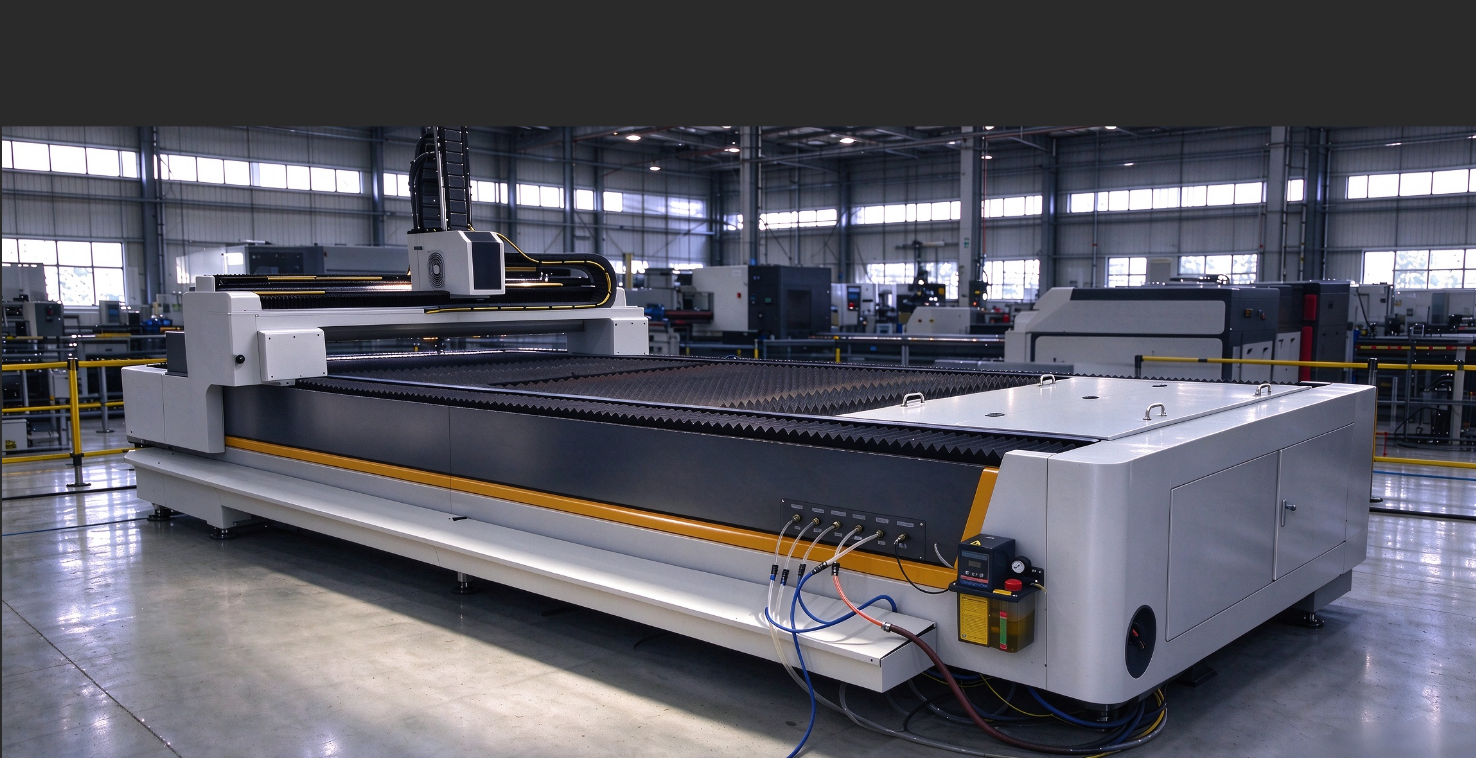
CNC Plasma Cutting Machine
Plasma cutting uses a high-temperature ionized gas arc to blast through conductive metals. It is built for heavy, rugged plate work.
Modern CNC plasma tables handle thick steel quickly, and are far more forgiving of imperfect raw stock.
Best suited for your workshop if:
Your core work is thick structural steel, simple brackets, heavy frames, or rough cutting jobs where ultra-tight precision is not required. Plasma also works well for outdoor site fabrication. The entry investment is lower compared to high-power fiber laser.
Where it hits limits:
Edge quality is rougher, and parts normally have dross and a tapered cut edge. That means you will need grinding and cleanup after cutting. Fine details, tiny holes or tight tolerances are not plasma’s strength.
Harke Practical Advice (Not Generic Sales Pitch)
Do not make your decision only by comparing machine price tags. Calculate your full workflow cost: grinding labor, scrap rate, rework, material waste and machine downtime.
If most of your orders demand clean, ready-to-weld edges and fine geometry, fiber laser will save you hours of secondary work.
If your main workload is heavy thick plate and rough structural cuts, a CNC plasma cutter gives you faster ROI with lower upfront spend.
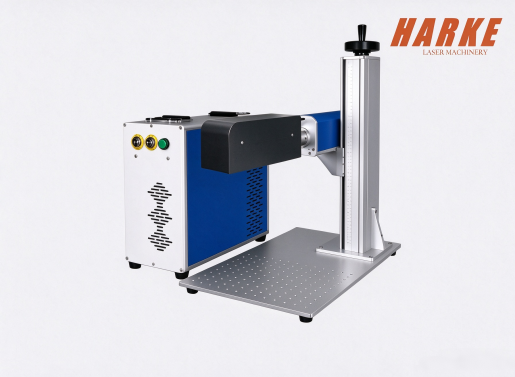
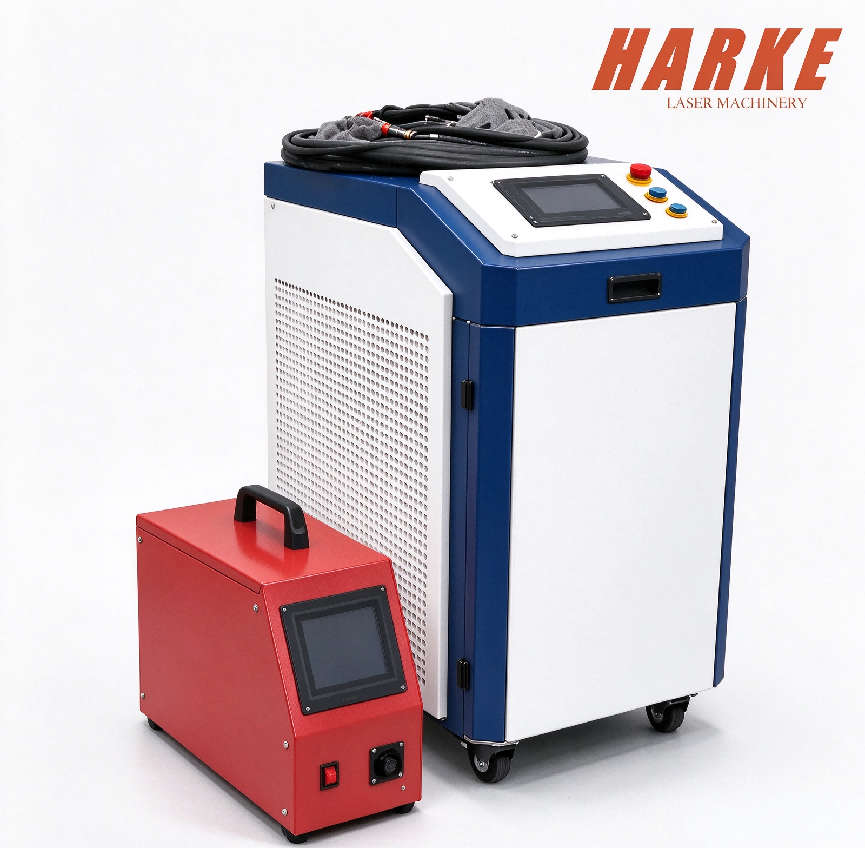
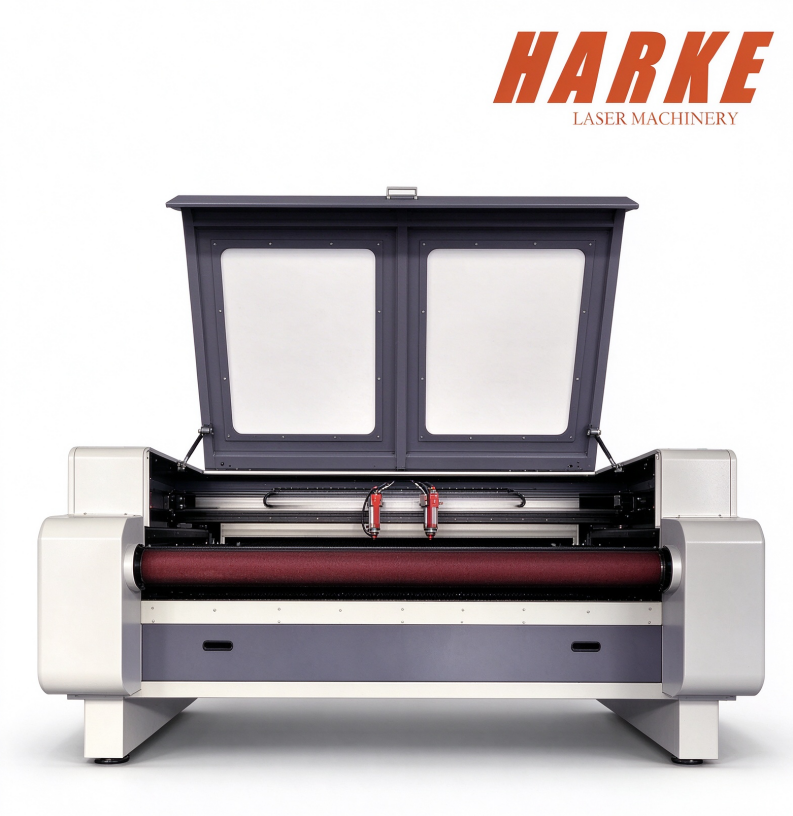
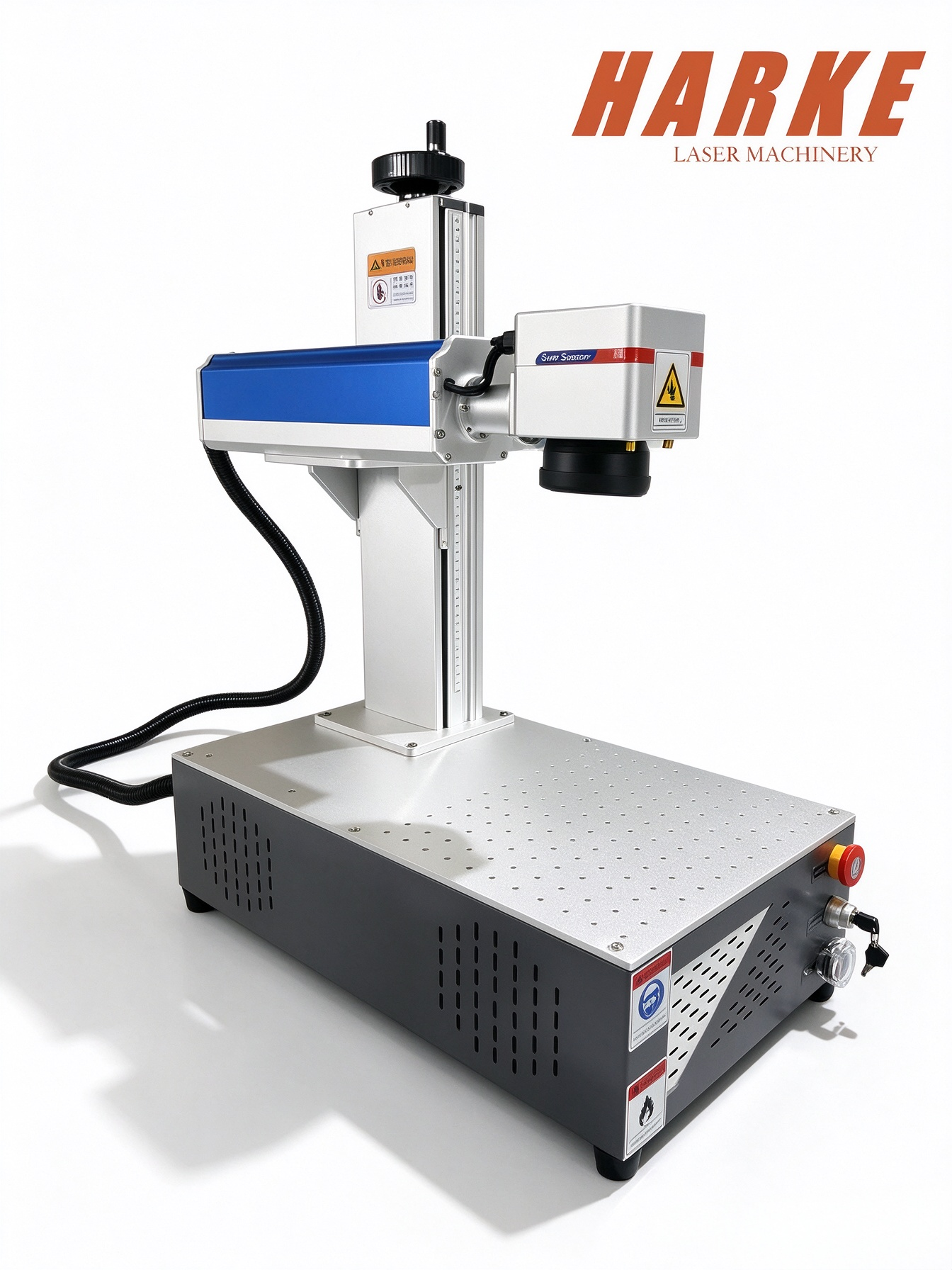
Harke Laser supplies a complete range of metal processing equipment: CNC plasma cutting tables, fiber laser cutters, laser marking machines, laser engraving systems and portable laser welders.
Tell us your typical material thickness, part complexity, daily output and finished quality requirements, and we will recommend one machine or a combined setup that fits your production.
FAQ
Q1: Can a fiber laser cut plate as thick as plasma?
A: Plasma maintains a clear advantage for heavy carbon steel over 20mm. Fiber laser is most economical for 0.5–20mm sheet metal when precision is required.
Q2: Which machine uses more electricity?
A: Plasma consumes higher power on thick plate cutting. Fiber laser is more energy efficient when working on thin and medium sheet metal.
Q3: Do laser cut parts still need grinding?
A: With proper setup, fiber laser cut parts normally require minimal or no grinding. Plasma-cut workpieces almost always need grinding to remove dross and edge taper.
Q4: Can laser cut aluminum, copper and brass?
A: Yes. Reflective metals need higher laser power plus anti-reflection protection. Our fiber laser machines handle aluminum, copper and brass.
Q5: Apart from cutting machines, what other laser equipment can you provide?
A: We offer full laser processing solutions. Laser marking machines for permanent part branding, laser engravers for metal and non-metal etching, fiber laser cutters for sheet & tube processing, plus portable laser welders for on-site metal fabrication and repair. We also supply CNC plasma cutting tables.
Q6: Can I run both laser and plasma in one workshop?
A: Absolutely. Many of our clients use plasma for rough heavy plate work and fiber laser for precision sheet jobs. This combination covers their full job mix and maximizes workshop flexibility.
Tags: fiber laser cutting machine, cnc plasma cutter, metal cutting machine, laser marking machine, laser engraving machine, laser welding machine